
As we all know, our planet is facing tremendous pressure because of global warming, depletion of natural resources, and pollution. Discovering the precise method of how to have a sustainable future has never been more imperative. Out of all the renewable energy sources, solar power is one of the most powerful solutions.
Through lowering emissions, improving air and water quality, conserving natural resources, and giving energy independence, the environmental benefit of solar energy goes far beyond powering homes.
Let's look at how solar energy is taking us towards a cleaner, greener, and more sustainable world.
Solar Energy: A Brief History
For centuries, people have used the sun's power, from keeping homes warm in the past to producing and evaporating crops. The actual development came with the invention of the first photovoltaic (PV) cell in 1954, which began solar power as we know it.
Since then, technology has advanced at a pace that has made solar panels cheap, efficient, and readily available. Solar has transformed from a costly experiment to a mainstay energy source that powers millions of homes and businesses.
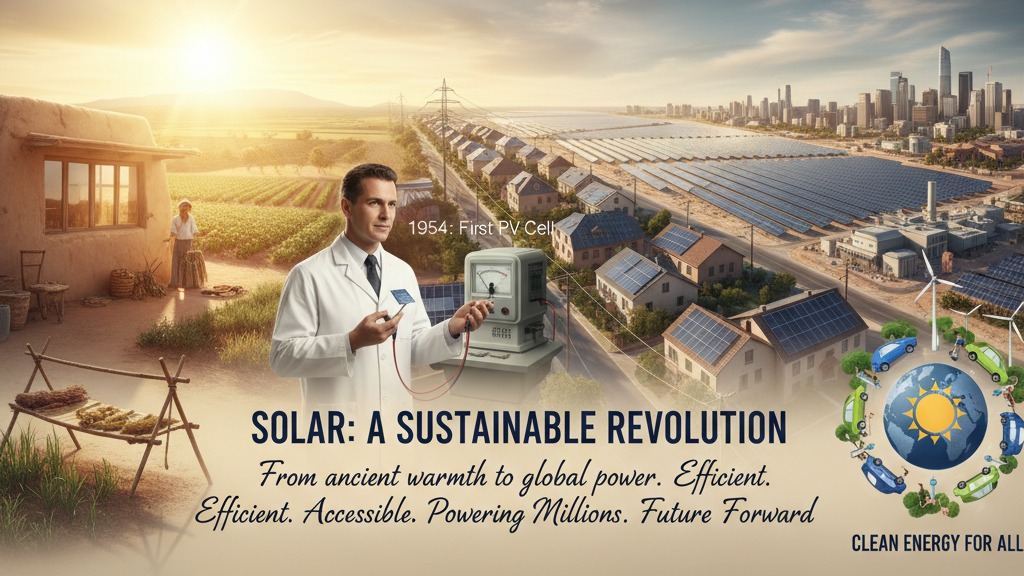
Now, companies are leading the way in this revolution, providing solar solutions that light up homes, businesses, and big projects.
It demonstrates the way societies are moving towards living sustainably. As global energy demand increases, the solar environmental advantages position it as one of the most scalable and feasible options for a sustainable future.
How Solar Saves the Environment
Reducing Greenhouse Gases
One of the largest solar environmental advantages is the mitigation of greenhouse gases. In contrast to fossil fuels, solar panels produce clean electricity without emitting carbon dioxide or poisonous pollutants. Even accounting for the energy consumed in production, environmental advantages of solar energy far surpass those of fossil fuels.
One home installation can save a few tons of CO₂ a year, directly contributing to slowing down climate change. Widespread adoption of solar on a bigger scale can make a huge difference to national and global emissions, enabling countries to reach climate targets under global agreements. This makes solar one of the most straightforward answers to the question, What are the environmental benefits of solar energy?
Healthier Communities and Cleaner Air
Conventional power plants emit sulfur dioxide, nitrogen oxides, and particulates, which are damaging to human beings as well as the environment. They cause smog, acid rain, and respiratory diseases. Solar completely gets rid of these pollutants, which results in healthier cities, reduced hospital trips, and cleaner air.
Communities with high solar adoption experience noticeable improvements in air quality, especially in urban areas. Cleaner air not only supports public health but also strengthens ecosystems, showing once again why solar power benefits the environment.
Conserving Water Resources
As compared to nuclear and coal plants, which utilize huge volumes of water for cooling purposes, solar PV systems consume practically none. This is particularly vital in the context of areas that are water-scarce, where even a single drop matters. By saving water and avoiding contamination during fuel extraction, solar serves to safeguard rivers, lakes, and ecosystems.
Moreover, solar avoids thermal pollution, which is when heated water from power plants harms aquatic life. In nations with fragile freshwater supplies, this conservation of water is one of the most precious environmental benefits of using solar energy.
Land Use and Smart Siting
Land-use issues can be resolved through intelligent deployment. Roofs, carports, and brownfields are great siting places that will not interrupt natural environments. By concentrating on existing developed areas, solar can grow without encroaching on agricultural land or forests.
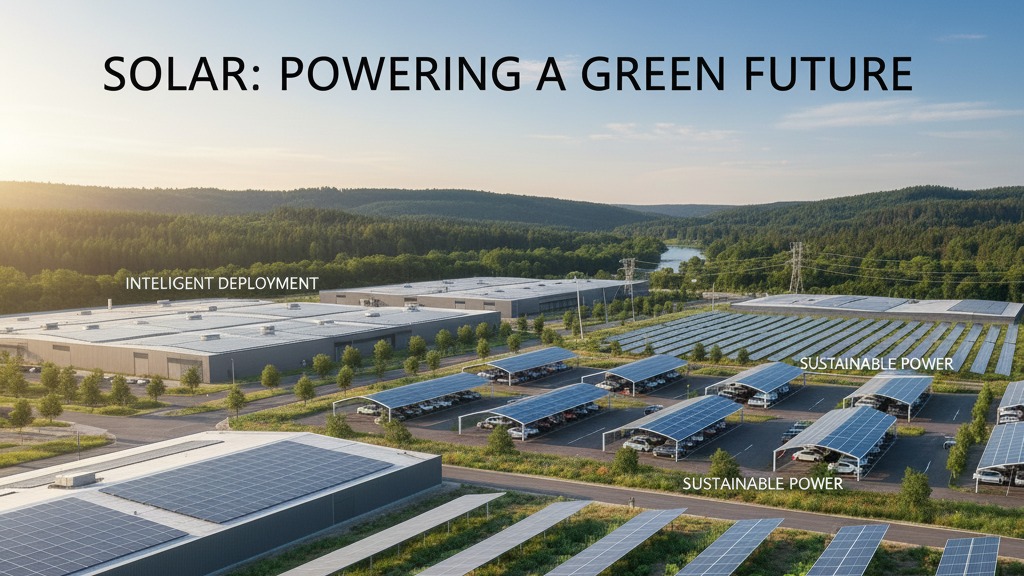
Solutions such as agrivoltaics, where crops are planted beneath solar panels, enable us to produce clean power while promoting agriculture and biodiversity. Farmers get extra revenue while crops are shielded from high temperatures, providing a win-win for energy and food security.
This type of smart siting demonstrates that solar can develop sustainably, providing power without destroying precious ecosystems. It also explains why solar power is good for the environment.
Durability, Recycling, and Circularity
Solar panels are designed to last 25–30 years with very little maintenance and are one of the most enduring clean energy technologies. During their lifespan, they provide many times more energy than was input in their making, and they are a net-positive solution.
When panels come to the end of their lifespan, recycling initiatives are cropping up to harvest precious material such as glass, silicon, and aluminum. This minimizes wastage and maximizes critical resources that can be reused in the production of future panels.
Companies such as Emmvee prioritize longevity and sustainable recycling methods, keeping solar energy genuinely sustainable from inception to termination.
By giving greater priority to recycling and reuse, the industry is establishing a circular economy where panels not only produce renewable energy but also return as inputs into sustainable resource loops. This reinforces the long-term solar environmental benefits.
Energy Independence and Resilience
Solar increases energy security as well. Through local power generation, homes and companies decrease their dependence on foreign fuels and eliminate grid interruptions. This local production minimizes the losses in transmission; thus, electricity consumption becomes more efficient.
Combined with battery storage, solar provides consistent, around-the-clock clean energy—even through outages. Communities affected by natural disasters recover quicker when solar-plus-storage systems exist. This resilience demonstrates that solar isn't just clean energy—it's about safeguarding lives and livelihoods.
Globally, solar diminishes reliance on fossil fuel imports, protecting economies from price shocks and geopolitical tensions. This autonomy is yet another essential reason solar energy is beneficial for the environment as well as society as a whole.
Economic and Social Benefits
The environmental advantage of solar power is equalled by solid economic benefits. Solar generates employment opportunities in manufacturing, installation, and maintenance, stimulating local economies. Indeed, the solar industry is among the fastest-growing clean energy job markets globally.
For homes and businesses, solar means long-term cost savings. By producing their own power, users can significantly reduce utility bills, with payback often coming in just a few years. Incentives from the government, tax credits, and decreasing equipment costs make it even more within reach.
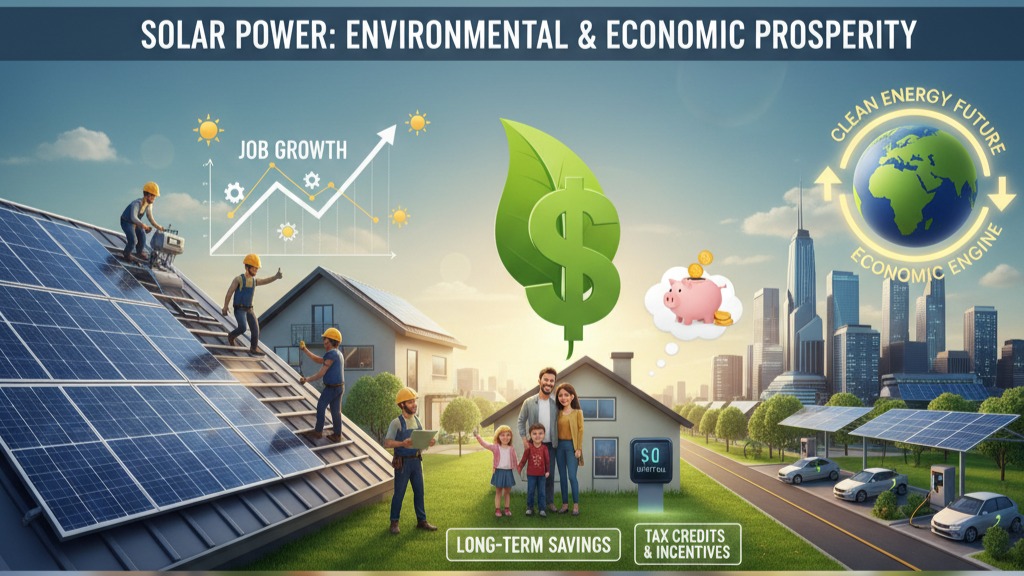
This alliance of savings, new jobs, and green benefits demonstrates that solar is not just an environmental solution—but an economic engine for the future.
Challenges and Responsible Growth
A second challenge is panel waste, which will increase as existing older systems retire. The industry will continue to develop strong recycling systems to manage this future waste responsibly. Emmvee are already doing so, leading the way in sustainable practices.
If there is careful planning, community buy-in, and investment into recycling, such challenges can be effectively managed, enabling the numerous solar environmental advantages to come to the forefront.
A Bright Future Ahead
With the quick strides in efficiency, storage devices, and intelligent energy management, the future of solar is brighter than it has ever been. New panels are able to draw more energy out of the same amount of sunlight, and batteries make that energy available when needed.
As adoption increases globally, the positive impacts of solar energy on the environment will increase manyfold, reducing emissions, saving resources, and creating resilient communities. Solar is not merely an alternative anymore; it is becoming the very foundation of global energy infrastructure.
By going solar today, we are not only lowering our carbon footprint but also making the world a cleaner place for generations to come.
With trusted partners such as Emmvee, solar is not just an energy solution but the foundation of a truly sustainable future.